Your impact toys do not all need the same cleaning routine. A sealed paddle, a leather flogger, and a rattan cane react differently to water and cleaning products. The smart approach is to identify the material first, clean after play, and check the toy before it touches skin again.
Cleaning also matters for consent and safety. Sweat, skin oils, makeup, lubricants, and body fluids can transfer onto gear during a scene. A toy that looks clean is not necessarily suitable to share.
Start here: cleaning is not the same as disinfecting
Cleaning removes dirt and much of the contamination using a suitable cleaner. Disinfecting uses a product and contact time intended to kill germs on a compatible surface. A disinfectant cannot reliably make a porous or damaged toy safe for sharing. Always clean first, and only disinfect if the material and manufacturer explicitly allow it.
For ordinary care, use a clean cloth and a mild, unscented soap solution when the material allows it. Keep moisture out of seams, handles, adhesives, and unfinished wood. Never use boiling water, bleach, harsh sprays, or soaking as a universal cleaning method.
Cleaning by impact toy material
Leather floggers, leather paddles, and suede
Leather is absorbent. Wipe a finished leather paddle with a barely damp cloth and a small amount of gentle soap if its maker allows it. Remove soap residue with another lightly damp cloth, then let the toy dry completely in open air, away from a heater or sunlight. Use leather conditioner only if the manufacturer recommends a product suitable for skin-contact gear. Suede, unfinished leather, and flogger tails may need specialist care. Never soak leather or assume disinfectant will reach into its pores.
If leather tails have contacted blood or another person's body fluids, set the toy aside. Porous leather cannot be reliably disinfected like a nonporous surface. Do not share it again until you have material-specific advice, and replace it if safe decontamination is uncertain.
PU or faux-leather paddles
Many faux-leather paddles have a coated surface that can be wiped, but their stitched edges, inner padding, and cracks can still hold moisture. Wipe after use with a soft cloth and mild soapy water, if compatible with the product instructions. Follow with a clean damp cloth and dry fully. Do not scrub off the coating or spray disinfectant into seams. Once a coating peels or splits, stop using the damaged item.
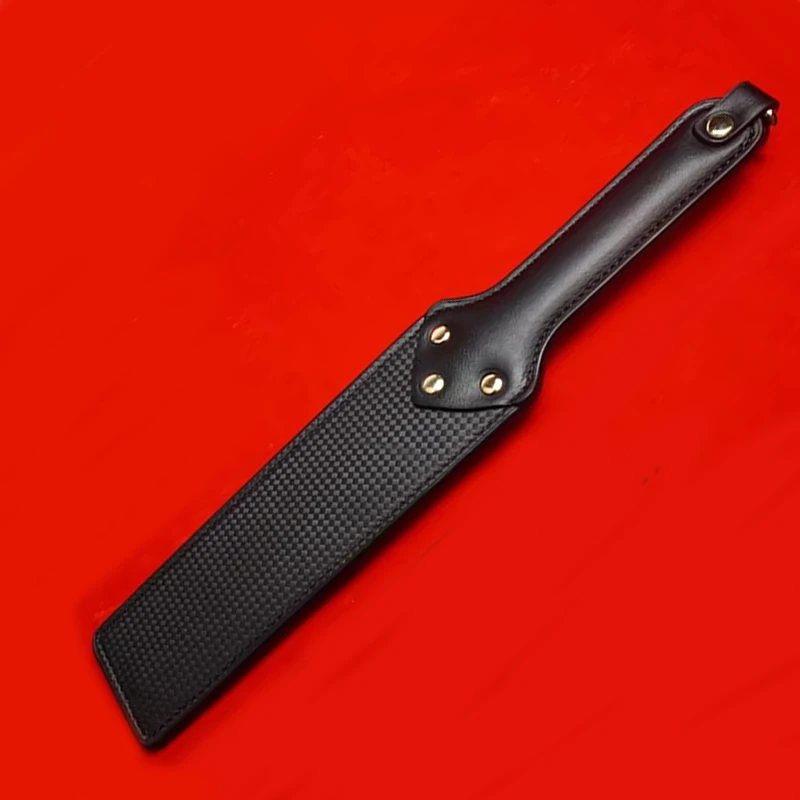
Explore an Adultstrom impact paddle and check the product's material details before deciding on a cleaning method.
Silicone and other nonporous impact surfaces
For an intact, non-electronic silicone paddle that its maker identifies as washable, use warm water and mild soap, rinse off residue, and air-dry. Inspect the handle and joins too. Some silicone-coated gear contains other materials beneath the surface, so do not boil it or immerse it unless the maker clearly permits that method. For sharing between people, follow the manufacturer's validated disinfection directions, if available.
Wood, rattan canes, and bamboo
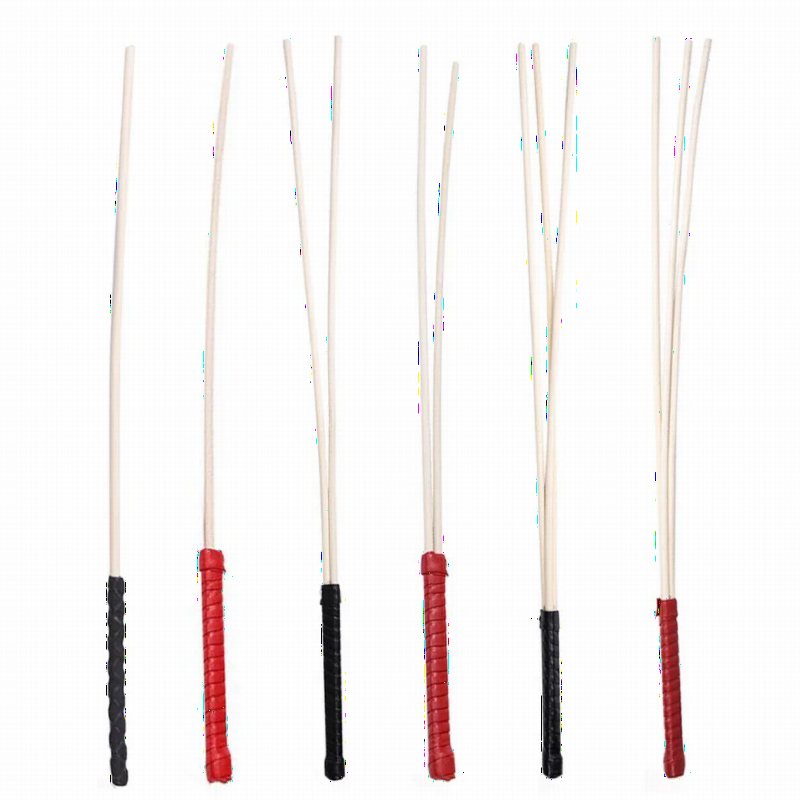
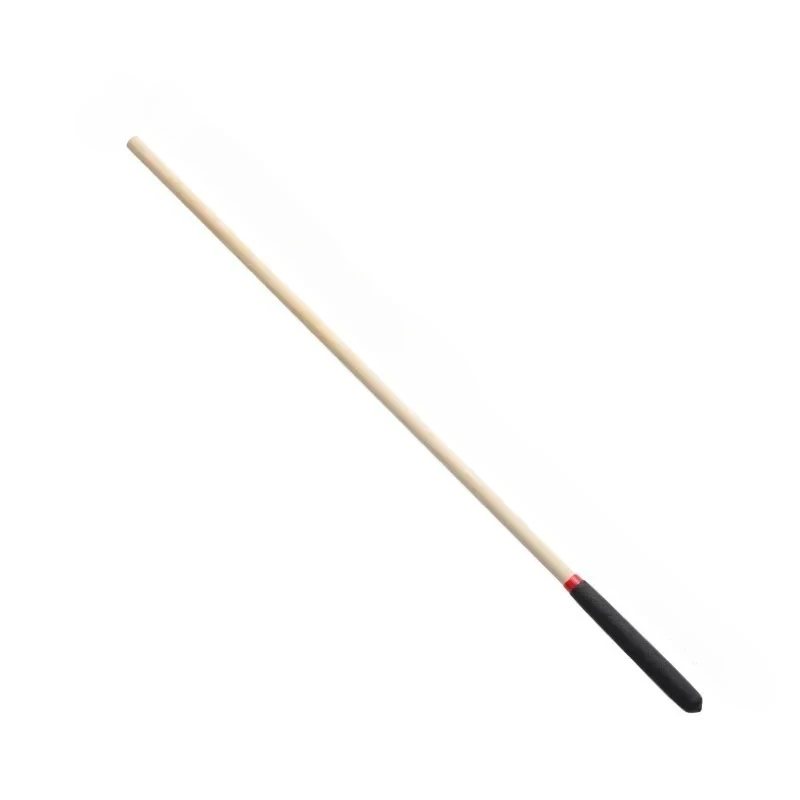
Unsealed wood and natural rattan absorb moisture. Remove dust with a soft dry cloth; use a barely damp cloth only if the maker permits it. Dry immediately and fully. Avoid soaking, boiling, aggressive alcohol cleaning, and oils that can affect the finish or skin. Run your eyes and fingers carefully along the surface before play to find splinters, cracks, raised grain, or loose wrapping. Retire damaged canes rather than trying to hide a split with tape.
Rope handles, braided finishes, and fabric-covered toys
Check both the outer material and what is inside it. Fabric, cord, knots, glued joints, and braiding can trap residue. Launder only detachable parts that are explicitly washable. If the cover cannot be properly cleaned after contamination, do not assume that wiping the outside is enough. Keep questionable pieces for individual use only or replace them.
When should you clean your impact play toys?
Use this timetable as a practical minimum. Manufacturer instructions and visible contamination always take priority.
| When | What to do | Why |
|---|---|---|
| Before every scene | Inspect for dirt, residue, loose parts, cracks, and splinters. Wipe away dust using the material-approved method. | Gear can collect dust or deteriorate in storage. |
| Immediately after each scene | Clean every toy that touched skin, then dry fully before storage. | Removes sweat, oils, and residue before they build up. |
| Before changing partners or body areas | Use a separate clean toy. For nonporous gear, clean and disinfect only by the manufacturer's instructions before reuse. | Reduces cross-contamination; porous toys may not be safely shareable. |
| Immediately if blood or body fluids are present | Stop using the item. Isolate it, assess material and damage, and replace porous gear if reliable decontamination is not possible. | Routine wiping is not enough for higher-risk contamination. |
| Weekly when used frequently | Inspect handles, stitching, edges, cracks, coatings, and storage conditions. | Catches wear before the next scene. |
| Monthly or after several weeks in storage | Check for dust, dampness, odor, corrosion, and material deterioration. Clean as appropriate. | Storage can introduce problems even without play. |
| Every 3 to 6 months | Review the whole collection. Replace damaged or unhygienic gear; condition finished leather only when recommended. | Prevents worn pieces from staying in rotation. |
A five-step after-scene routine
- Set used gear aside. Keep it separate from clean pieces, and deal with a person's aftercare needs first.
- Inspect. Look for body fluids, damaged coatings, splinters, cracked handles, and torn stitching.
- Clean by material. Use a soft cloth, mild soap, and only as much water as the material safely tolerates.
- Dry fully. Air circulation helps; heat can warp wood, damage leather, and weaken glue.
- Store separately. Keep gear dry and away from dust, humidity, sharp items, and direct sunlight.
What about sharing gear at a party or event?
For shared scenes, set aside a dedicated clean set for each person, especially for porous floggers, wood, leather, and fabric. A quick wipe between people is not a substitute for proper cleaning and material-compatible disinfection. If anyone has broken skin or unexpected bleeding, stop the scene, attend to the person, and take affected equipment out of service.
When should a toy be replaced?
Retire impact toys with cracks, splinters, peeling coating, loose rivets, exposed sharp edges, persistent odor, mildew, or contamination that cannot be safely removed. No cleaning product can restore a structurally unsafe toy.
Keep your collection ready for the next scene
A few minutes of care after play is easier than rescuing damaged gear later. Choose materials you can maintain, keep instructions for each item, and resist sharing porous pieces that cannot be reliably cleaned. If you're choosing a new toy, compare construction and cleaning requirements before buying. You can start with this paddle on Adultstrom.
Further reading
- CDC: cleaning versus disinfecting
- Brown University: material-based toy care
- Flogger.com: manufacturer guidance for leather floggers