Think about how much your feet deal with in a day. A cold bathroom tile, warm sand, the inside of a shoe, a soft rug, or the pressure of someone rubbing your tired arches. The soles of your feet are constantly taking in information, and your brain pays attention to more of it than you may realize.
That is part of what makes foot massage so comforting for some people, why textured mats show up in wellness routines, and why the soles are also discussed in communities interested in sensory play and bastinado. But those experiences are not interchangeable. Gentle pressure can feel relaxing. Strong or repeated impacts can hurt tissue and nerves. Understanding the difference makes the whole conversation more useful.
Why the soles of your feet notice so much
The skin under your feet contains sensory receptors that respond to touch, pressure, stretch, and vibration. They help you notice the ground beneath you and contribute to balance while you stand and walk. In other words, the soles are doing important work even when you are not thinking about them.
A review of the sensory receptors in the human foot sole describes several classes of touch-sensitive nerve fibres involved in interpreting pressure and movement. This is why changing the surface beneath your feet, even a little, can feel surprisingly noticeable.
It also explains something familiar: the same sensation can feel different depending on when and how you experience it. A smooth ball under a tired foot may feel welcome. The same pressure on a bruised spot could feel awful. The amount of force is only one part of the story. Your comfort, health, and expectations matter too.
When pressure feels like relief
There's a lovely simplicity to an ordinary foot rub. Someone presses gently into the arch, lets go, and repeats. Maybe your toes relax. Maybe you notice tension you hadn't realized you were holding. None of this requires a complicated theory about what each spot on the foot supposedly controls.
Some people also enjoy rolling their feet over a smooth massage ball or textured roller. Others prefer a soft mat or simply stretching and moving their feet after a long day. These are ways of exploring touch and movement rather than automatically treating a medical condition.
Foot massage may help you feel more relaxed or comfortable in the moment. That is a worthwhile experience on its own. It is also different from saying that pressing a specific point can heal an internal organ, fix a medical problem, or remove toxins. Those bigger claims need evidence that is not currently there.
What about the textured mats people use with yoga?
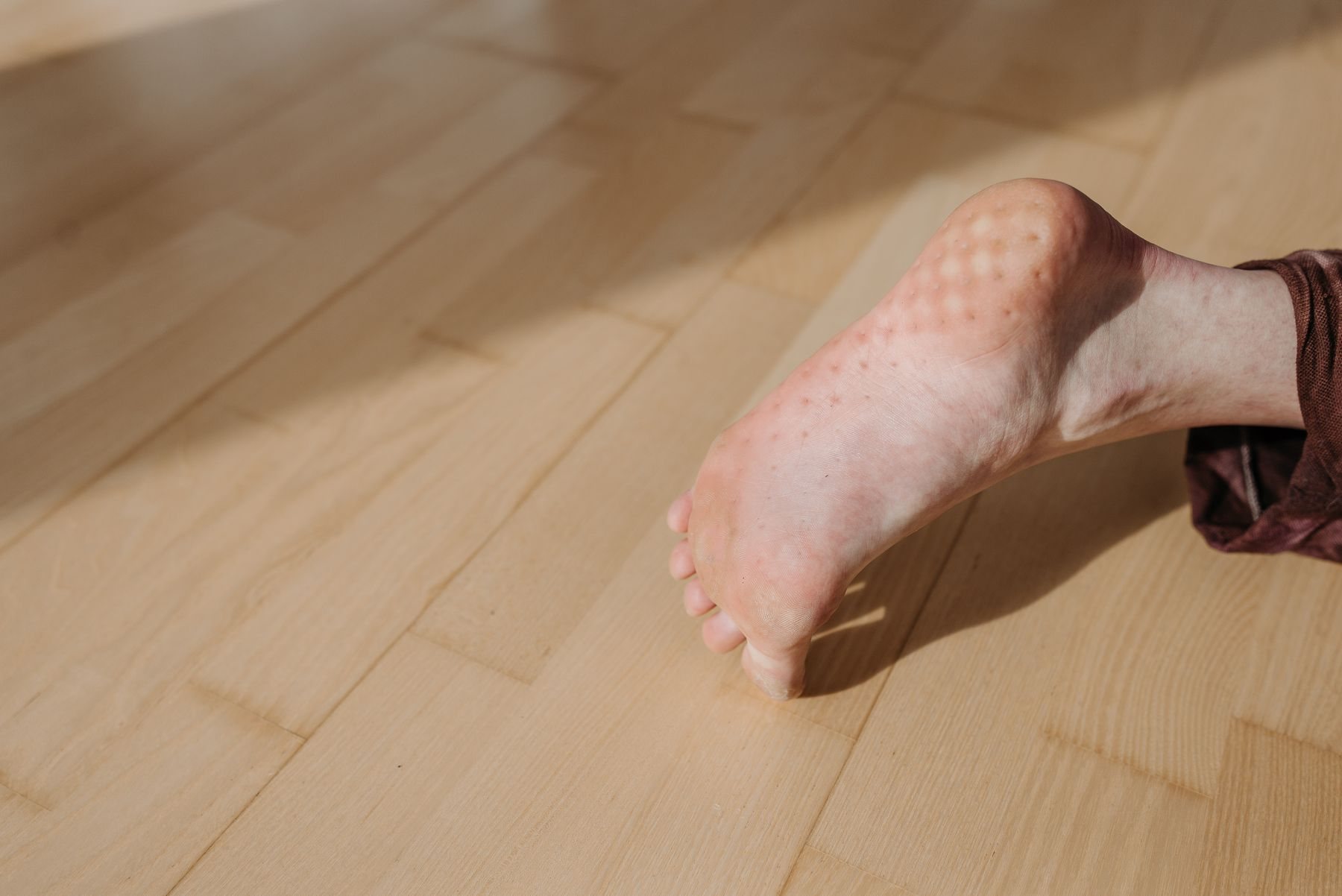
You may have seen a mat covered with little bumps or raised points, sometimes called an acupressure mat, reflexology mat, or foot massage mat. Some people stand on them briefly, while others use them as part of a stretch, meditation, or yoga-adjacent routine. You might also see textured massage balls and balance pads in fitness spaces.
The idea is straightforward: a different surface creates different sensations under the soles. Some people describe the experience as stimulating, grounding, or relaxing. Other people find the texture much too intense. Neither reaction is strange.
Acupressure mats aren't proof that pain is beneficial. One study of relaxation training with acupressure mats found improvements in perceived stress and well-being in participants using mats and in participants practising relaxation without them. The mats did not demonstrate a unique improvement in the measured physiological outcomes. And the U.S. National Center for Complementary and Integrative Health explains that reflexology's claims about specific foot points healing other parts of the body have not been proven.
So if a textured mat feels pleasant, you can appreciate that experience without needing to attach a medical miracle to it. Avoid using raised-point mats on broken or irritated skin, and stop if there is pain, numbness, or lingering discomfort.
Touch, pressure, and impact are different experiences
| Type of contact | What it involves | What matters |
|---|---|---|
| Gentle massage | Hands or a smooth roller applying comfortable pressure. | Comfort, communication, and avoiding sore or injured areas. |
| Textured mats | Many raised points contacting the skin while standing or moving. | Surface texture, skin condition, balance, and stopping if uncomfortable. |
| Sensory touch | Light touch or changes in texture used to notice different sensations. | Personal preference, consent, and the ability to stop. |
| Impact play | Force delivered through an implement or the hand. | Greater risk of bruising, nerve damage, and injury. This is not massage or medical treatment. |
The common thread is that your soles respond to physical contact. The important difference is how that contact is delivered. Slow, controlled pressure from a massage tool is not the same as a strike, even if both are described as stimulating.
Where does bastinado fit into the conversation?
Bastinado, sometimes called falaka, refers to impact directed at the soles of the feet. In consensual kink, some adults explore it for the sensations involved or the psychological meaning it may have within their relationship. Others have no interest in it at all, and that's entirely fine.
It deserves a different level of caution than an ordinary foot rub. The feet contain nerves, small bones, tendons, blood vessels, and tissue that all have jobs to do after play is over. A strong or poorly placed strike can cause lasting problems, and an absence of visible injury doesn't guarantee that the tissue underneath is unharmed.
Some people use words like relieving, intense, or cathartic to describe their personal experience of consensual sensory activities. Those feelings can be real to them, but they don't make bastinado a therapeutic practice. A positive experience is not the same thing as a health benefit.
If you are curious about this subject, start with the conversation rather than the equipment. What does each person want? What is off limits? How will they communicate a stop? What happens if someone changes their mind? Our earlier Journal piece, Bastinado, Consent and Trust, looks more closely at those questions.
The part that matters most: how it feels to the person experiencing it
A sensation isn't automatically good because it's called massage, and it isn't automatically enjoyable because someone else loves it. Comfort is individual. Consent must be ongoing. You shouldn't need to push through pain, silence discomfort, or prove anything to a partner.
In particular, anyone with reduced foot sensation, diabetes-related nerve problems, circulation concerns, an existing injury, or unexplained foot pain should get medical guidance before trying pressure-based devices. If touching the sole produces numbness, unusual pain, swelling, or a change in walking, stop and seek appropriate care.
And there's no need to turn a relaxing moment into an endurance test. If the goal is simply to unwind, an ordinary foot massage, a short stretch, or a comfortable surface may be plenty.
Explore the difference between Bastinado and Impact Play gear
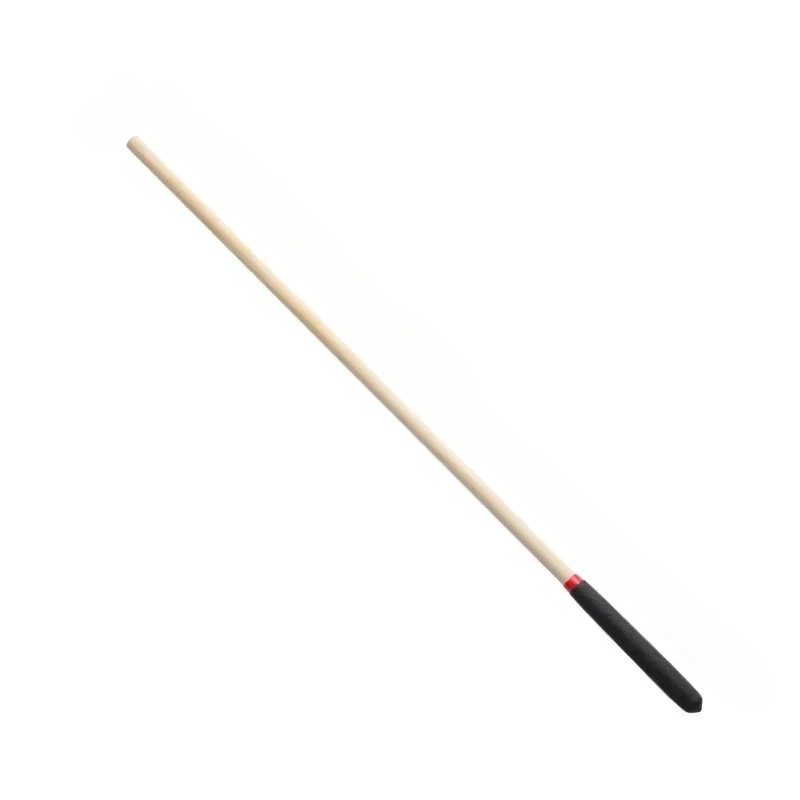
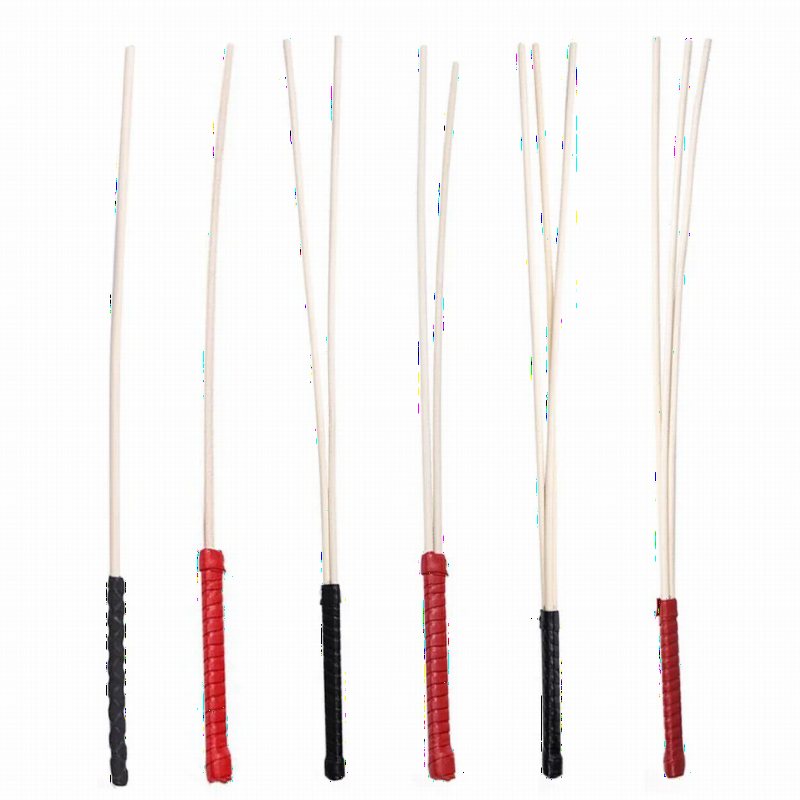
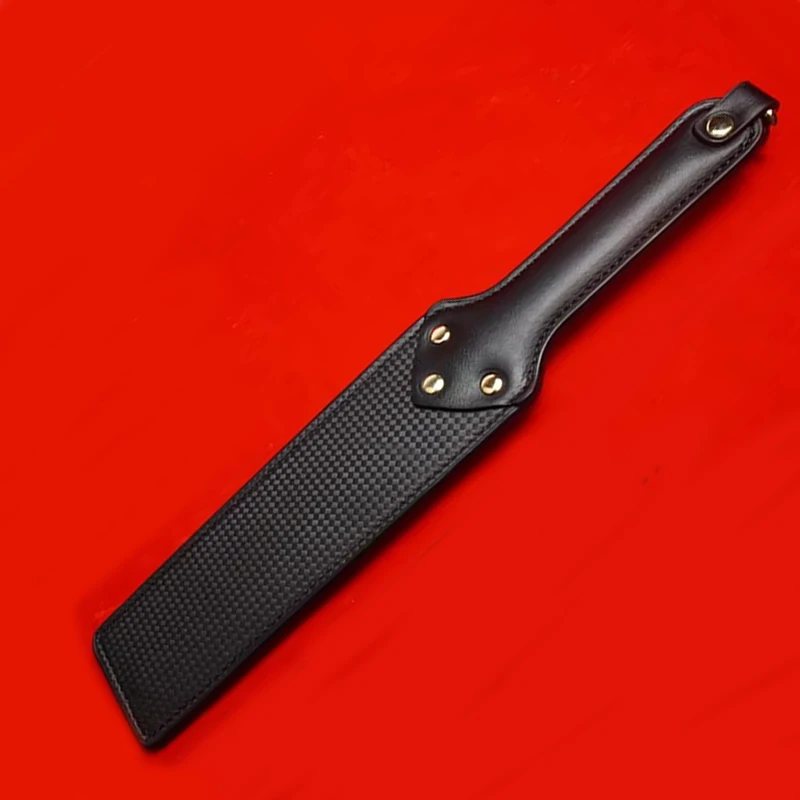
Curious about the types of equipment people talk about? Adultstrom has dedicated Bastinado Tools and Impact Play collections. The products below are displayed together so you can compare styles and learn what the terms refer to. They are impact-play products, not foot-massage devices, and their presence here is not a recommendation to use any particular implement on the soles.
For a wider selection, explore Bastinado Tools, Impact Play, or the Paddles collection. Read each item's materials and product information before ordering, and check the store's Return & Refund Policy.
So, can stimulation of the soles actually feel good?
Absolutely, for many people it can. Your feet respond to pressure, texture, warmth, and touch, and a gentle foot massage can be a wonderful way to unwind. Textured mats can be interesting too, even though claims about their special healing effects should be treated carefully.
What we shouldn't do is group every kind of contact together. Pressure, relaxation, and consensual impact play may all involve the soles, but they carry different meanings and different risks. The most helpful question isn't, How much can my feet handle? It's, What feels right for me, and am I taking care of myself?
Further reading
- Cutaneous afferent innervation of the human foot sole, Journal of Neurophysiology.
- Reflexology: What the research says, U.S. National Center for Complementary and Integrative Health.
- Acupressure mats and relaxation training, Applied Psychology: Health and Well-Being.