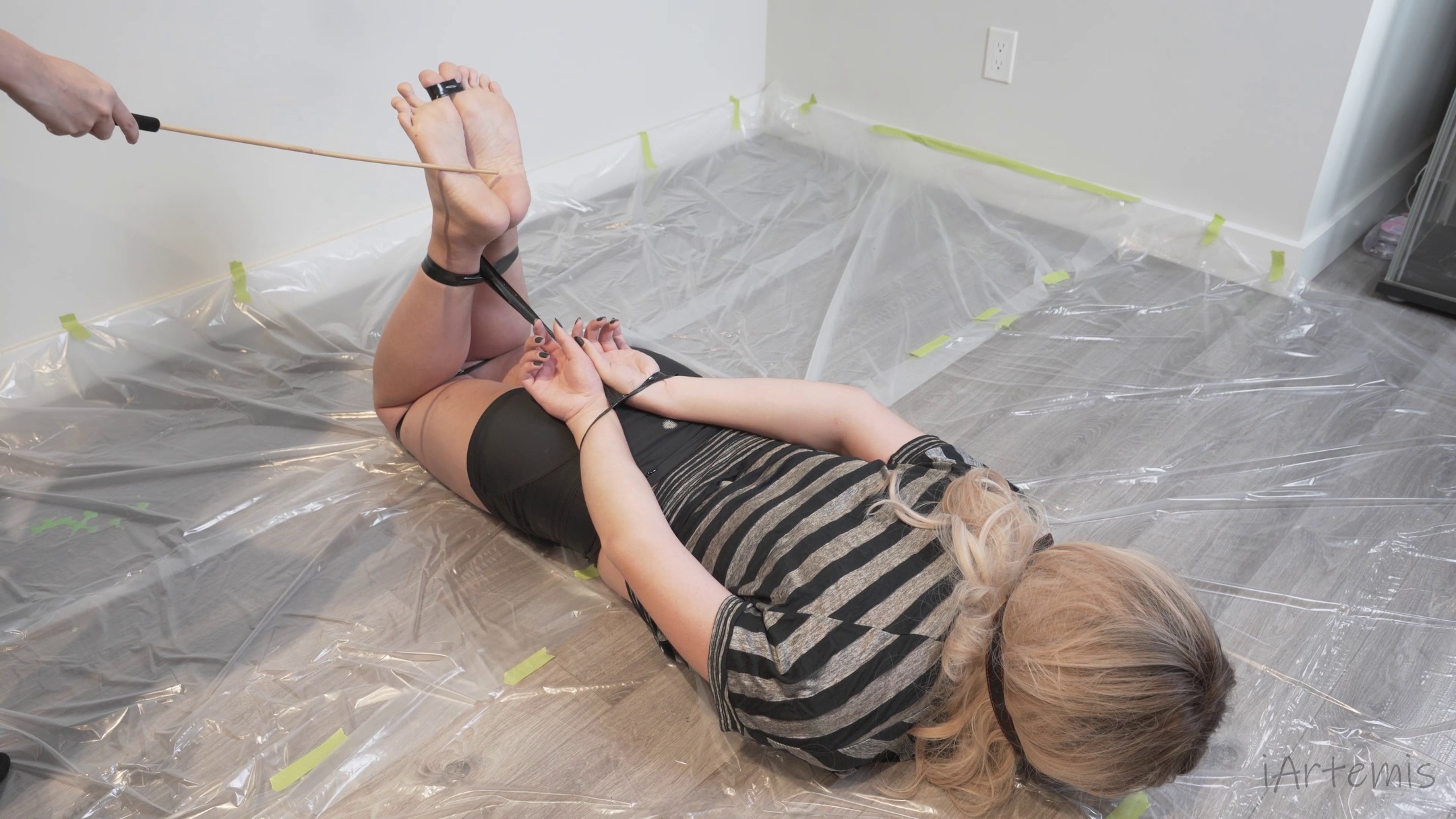
If you ask someone what bastinado is, they might start by naming tools or describing the sensation. That's understandable. But if you're considering foot impact play with a partner, I'd start somewhere else: with a conversation where either person can say, “Actually, I don't want to do this,” and know that the answer will be respected.
That conversation doesn't have to make the mood disappear. It can be the part that makes trust possible. And with bastinado, trust matters because the soles of the feet are not nearly as forgiving as a photograph might suggest.
First, what is bastinado?
Bastinado is a term for impact directed at the soles of the feet. You may also see the words falaka or falanga. It has a history outside consensual kink, including use as punishment and torture, so the context matters. In BDSM, the difference is not just what a scene looks like. It is whether everyone is freely choosing to participate, understands the risks, and can stop without consequences.
Some people are drawn to the anticipation or the power exchange. Others are curious about foot-focused sensation. Neither interest means they need to go further than they're comfortable with. Watching a scene and agreeing to one are two very different things.
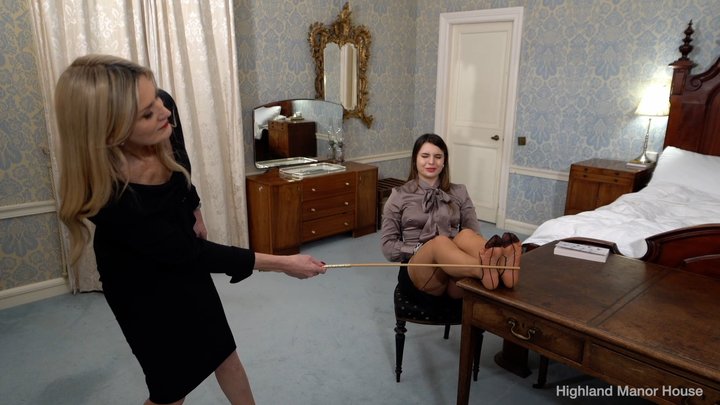
Why the feet deserve more caution
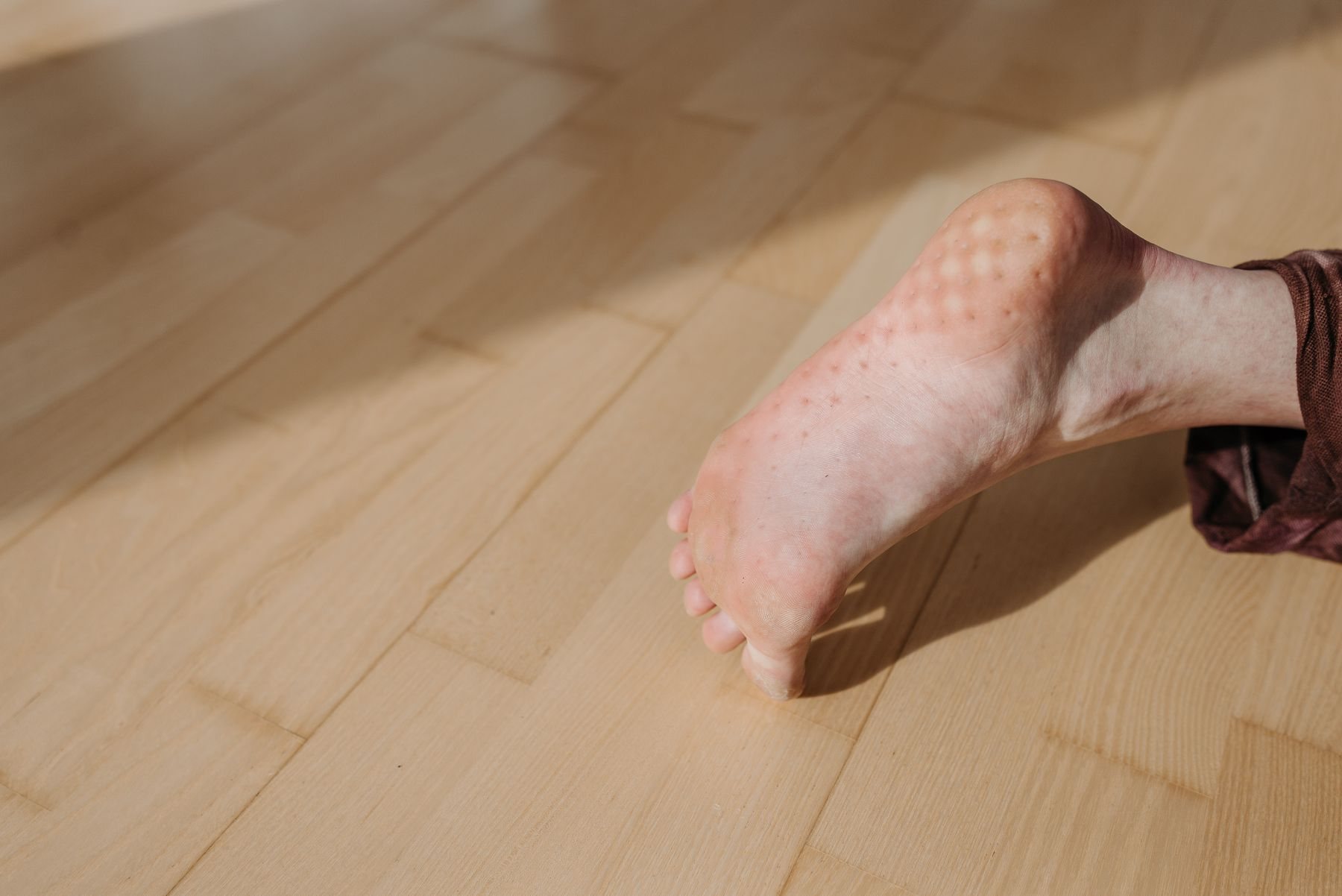
Feet carry your weight every day. They contain bones, tendons, nerves, blood vessels and tissue that can be injured by blunt force. The absence of an immediate bruise does not prove that everything underneath is fine. Repeated trauma to the soles has been associated with lasting pain and other injuries in medical literature.
This is why advice such as “start at 5% and never exceed 70%” can be misleading. Those numbers are not medical measurements and there is no proven percentage that makes a strike safe for every person. A warm-up does not create immunity from injury, and a body part that feels less sensitive afterward is not necessarily safer to hit.
Someone with diabetes, reduced foot sensation, circulation problems, an existing foot injury, or a condition affecting healing has extra reasons to avoid the activity and discuss any concerns with a qualified clinician.
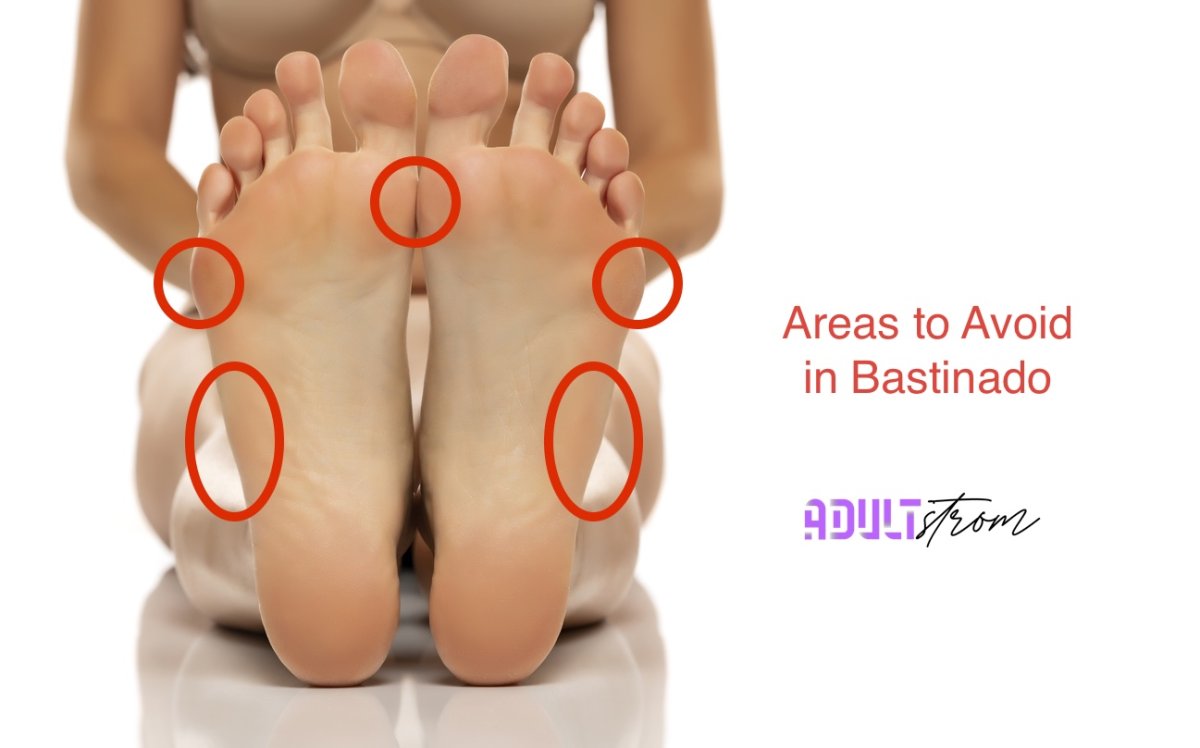
Common advice versus what actually helps
| Something you might hear | What to keep in mind |
|---|---|
| “There's a safe strength percentage.” | There isn't a medically established number. Treat intensity scales as conversation tools, not injury limits. |
| “A warm-up makes it safe.” | It may change how a sensation feels, but it cannot rule out tissue damage. |
| “If there's no bruise, nothing happened.” | Some injuries are not obvious on the surface. Notice pain, swelling and changes in feeling or movement. |
| “A safeword covers everything.” | A stop signal matters, but so do check-ins, attention to nonverbal cues and the freedom to stop without pressure. |
| “Restraints make the scene more controlled.” | Restraints introduce their own circulation and positioning risks. They are not a safety shortcut. |
Five questions worth asking before any scene
- What are we both hoping to get from this? It might be closeness, ritual, anticipation or a power dynamic. If the goal is emotional, maybe you don't need foot impact to create it.
- What is completely off the table? Agree on limits while everyone is relaxed, not in the middle of trying to impress a partner.
- What happens if either of us changes our mind? The answer should be simple: the activity ends, without arguments, punishment or pressure to explain.
- How will we check in? A verbal signal is useful. So are natural pauses, eye contact where possible and attention to someone becoming quiet or distressed.
- What will we do afterward? Leave room to rest, talk, check for changes in how the feet feel and follow up the next day.

When discipline is part of the fantasy
For some couples, the appeal isn't really the impact. It's the structure: asking permission, following a rule, counting out loud, or letting one person take the lead for a while. That can be meaningful, but a role is not permission to ignore someone's real-world boundaries.
Consider the difference between “we agreed on a ritual” and “you moved, so now I get to hurt you more.” A consequence that wasn't discussed beforehand is not consent. And a partner who freezes, pulls away or struggles to respond is giving you a reason to stop and check in, not to push harder.
There's no need to prove devotion through pain. You can have a power exchange that stays with words, posture, or a non-impact ritual instead.
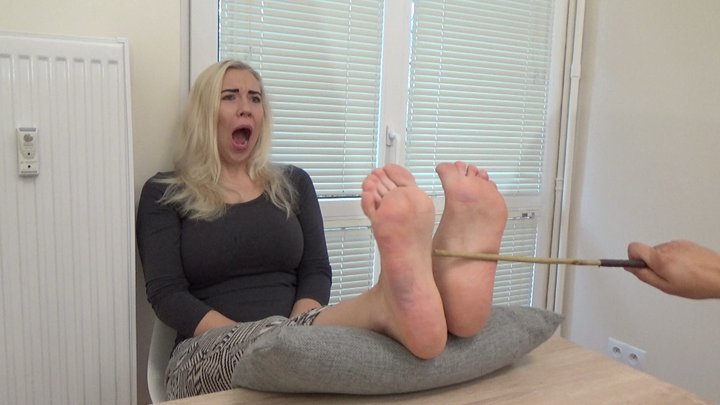
About restraints, tools and positioning
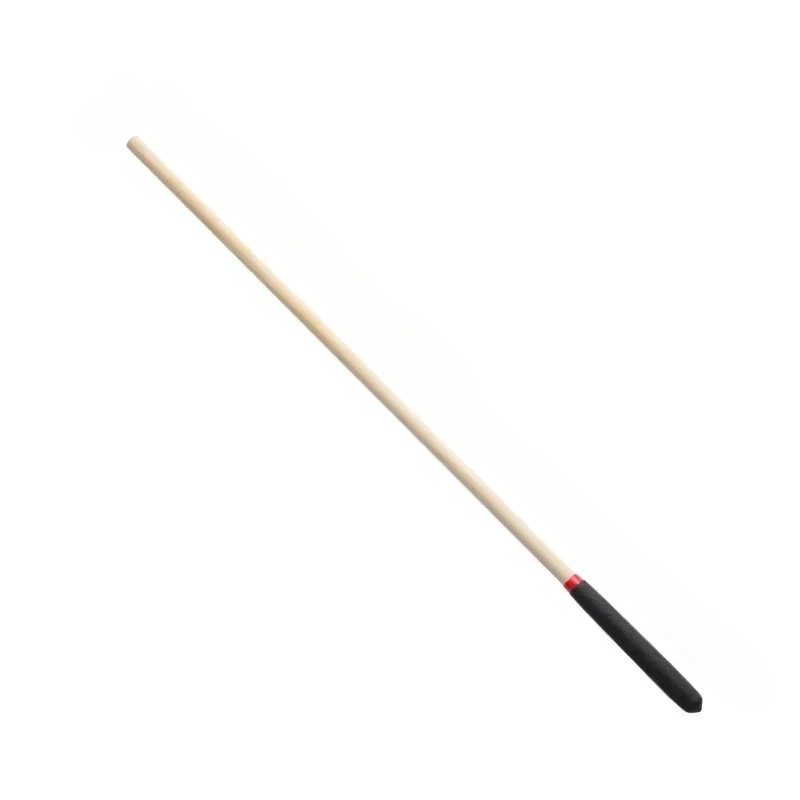
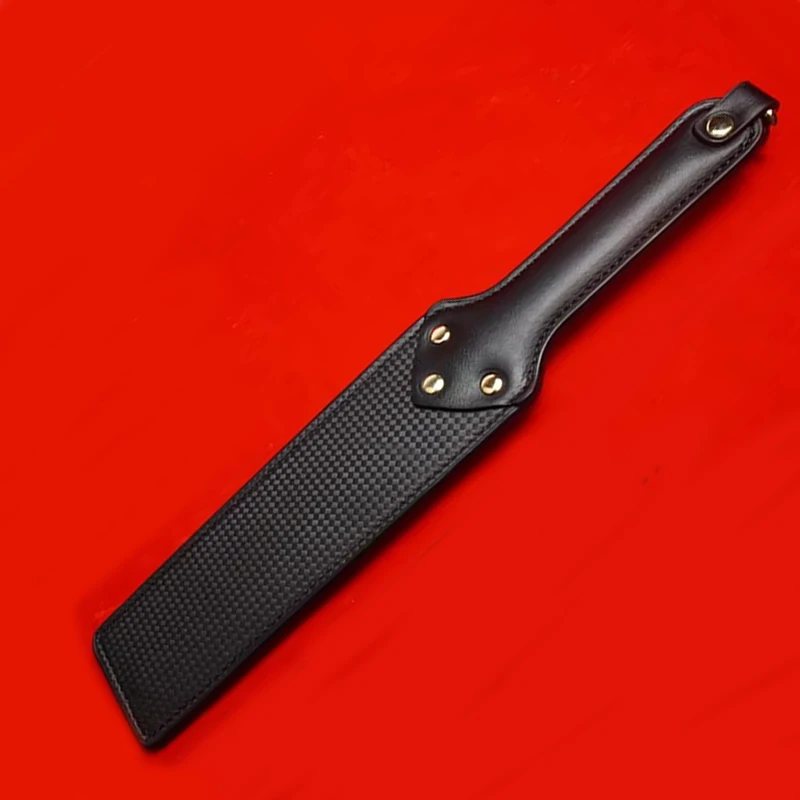
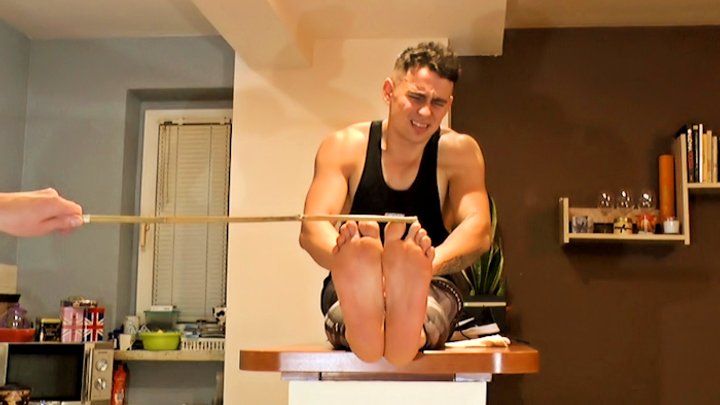
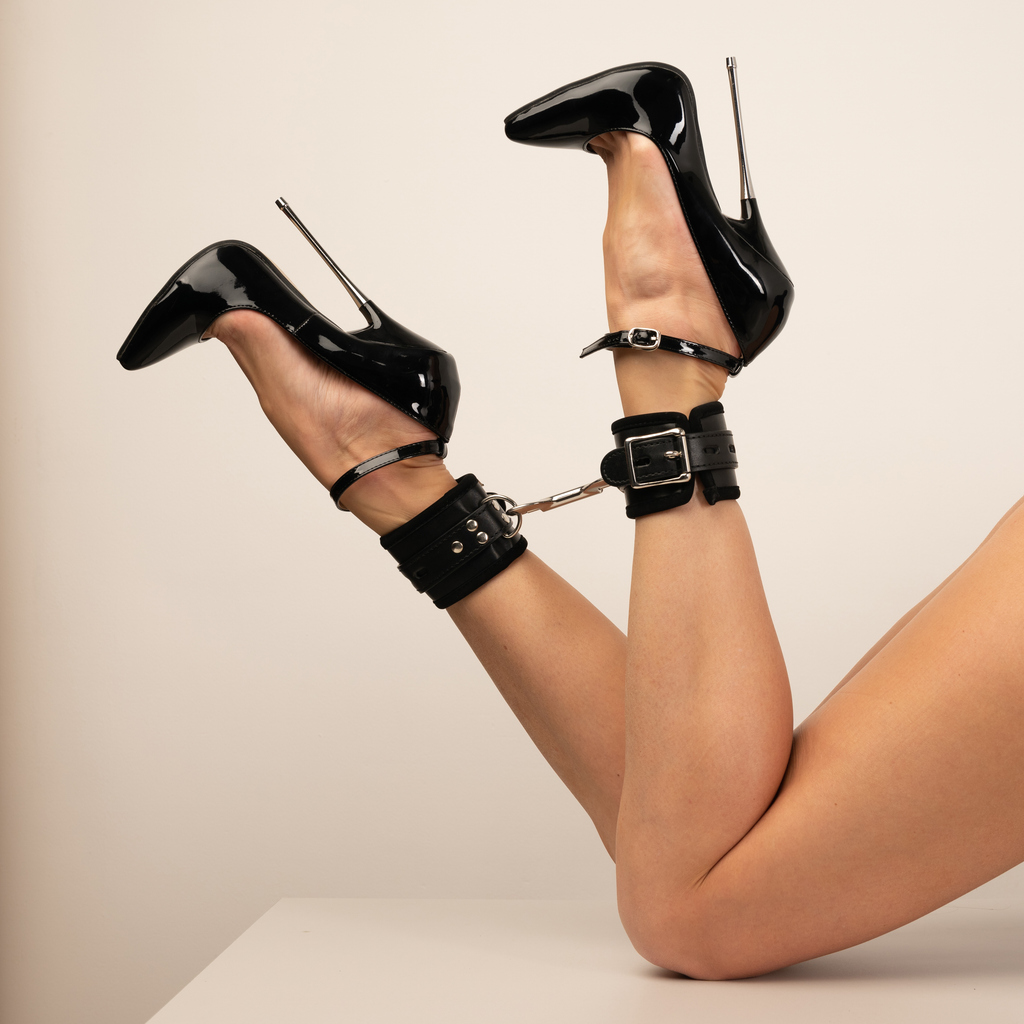
It's tempting to look for one piece of equipment that makes everything predictable. It doesn't work that way. Canes, whips and other impact tools can cause injuries; restraints can add pressure around nerves and blood vessels. None of them should be treated as beginner-proof.
Rather than relying on photos or a fixed tying distance, talk honestly about your experience and consider learning in person from an educator who prioritizes consent and risk awareness. If there's any uncertainty about equipment, circulation, sensation or movement, choosing not to use it is reasonable.
What a real stop looks like
Stop immediately if someone says stop, uses the agreed signal, withdraws consent or seems unable to communicate clearly. Physical warning signs also matter. Severe pain, rapid swelling, numbness, tingling, colour changes or trouble walking are not something to “work through.”
Those signs may call for prompt medical care. Sudden severe pain or symptoms suggesting impaired circulation need urgent assessment. Don't assume a symptom is normal just because it happened during consensual play.
Aftercare can be simple: space, reassurance, a glass of water, and checking how the person feels. But affection is not medical treatment. If foot pain, swelling or changes in sensation persist, seek medical advice.
You don't have to turn curiosity into a test
Maybe you read about bastinado and decide it isn't for you. That's a perfectly good outcome. Maybe you and a partner discover that what interested you most was the trust, the attention or the ritual. You can keep those parts and leave the physical risk out.
Good kink isn't a contest over who can take the most. It's two adults being able to say what they want, hear each other, and still feel respected when the answer changes.
Questions people often ask
Is bastinado the same as falaka?
The terms are often used for striking the soles of the feet. Falaka and falanga also appear in historical and medical accounts of punishment or torture. In a consensual BDSM discussion, it's important not to erase that history.
Is there a safe way to measure intensity?
There is no validated percentage or stroke count that guarantees safety. Pain tolerance varies, and what someone feels does not reliably measure tissue injury.
When should someone get medical help?
After an injury, seek urgent assessment for severe pain, inability to walk, new numbness, rapidly worsening swelling or changes in skin colour. For symptoms that persist or keep returning, speak with a healthcare professional.
Further reading
- NHS: Compartment syndrome and urgent warning signs
- NHS: Pain in the bottom of the foot
- UN Minnesota Protocol: medical findings associated with blunt trauma to the soles
- Adultstrom Kink Journal: How to Ask for Consent Without Killing the Mood
Editorial note: This article is educational, not medical advice or a step-by-step impact technique. Selected images are republished from the earlier Adultstrom Kink Hub article, which credits sources including iArtemis, iStock and clips4sale.